Photographing a Wedding at The Terrace at Biagio's, Paramus NJ: A Photographer's Guide
How we read the light, plan the rooms, and protect your portrait time when photographing a wedding at The Terrace at Biagio's in Paramus.
June 3, 2026 · 6 min read
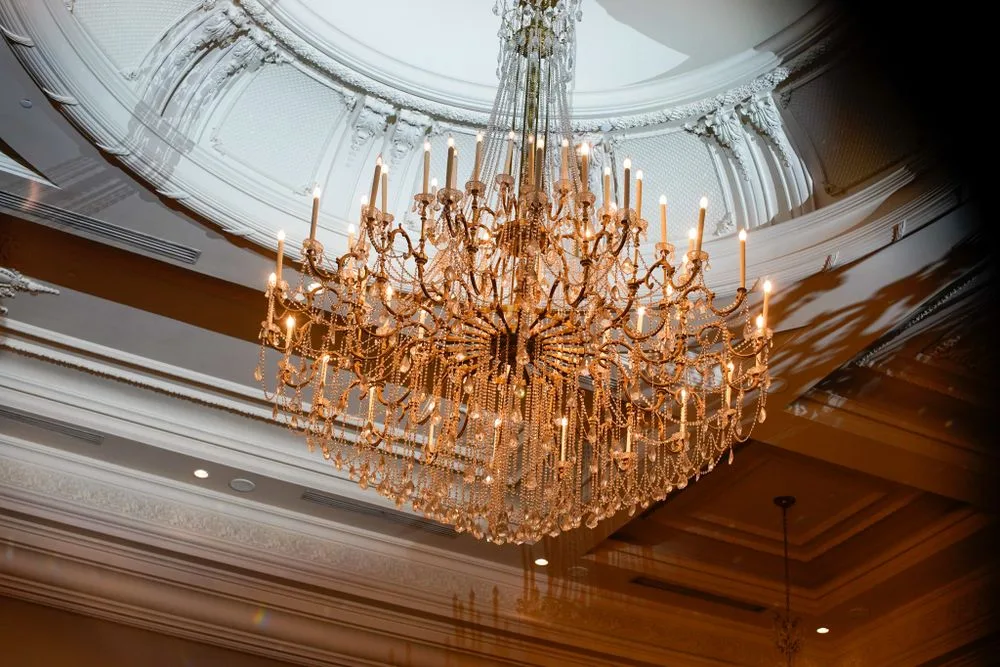
Photographing a wedding at The Terrace at Biagio's in Paramus means planning for four very different lighting environments in one building: a bright marble entryway, color-lit waterfall features, an exposed rooftop terrace, and a large ballroom with long throw distances. We scout each space by hour so your portraits stay consistent from arrival to last dance. For couples still mapping their day, our Paramus service-area page covers the wider town context.
Why one venue needs four lighting plans
Most wedding venues give you one or two dominant light situations. The Terrace at Biagio's gives you several, close together, and that is exactly what makes it rewarding to photograph — and worth planning for. We walk the building before your date and build a plan for each space so nothing is improvised on the day. If you are choosing between Paramus rooms, our photographer's perspective on nearby venues compares them side by side.
The marble entryway: bright, hard, and unforgiving
The entryway's marble and high ceilings make it feel grand and airy, but hard surfaces bounce light in ways that can flatten faces or blow out highlights if you shoot on automatic. We meter for skin, use the space's own bounce as a soft fill, and position couples so the marble works as a reflector rather than a hotspot. It is one of the best arrival-and-first-look frames in the building when it is exposed with intent.
The color-lit waterfall features: a white-balance decision
The venue's illuminated water features are a signature backdrop, and they are also a mixed-color-temperature problem. Colored LEDs on the water read very differently from tungsten room light and from any flash we add. Left unmanaged, they tint skin tones. We treat the colored light as an environmental element in the background and light the couple with a neutral source in the foreground, so the water glows while your faces stay true.
The rooftop terrace: plan by the hour
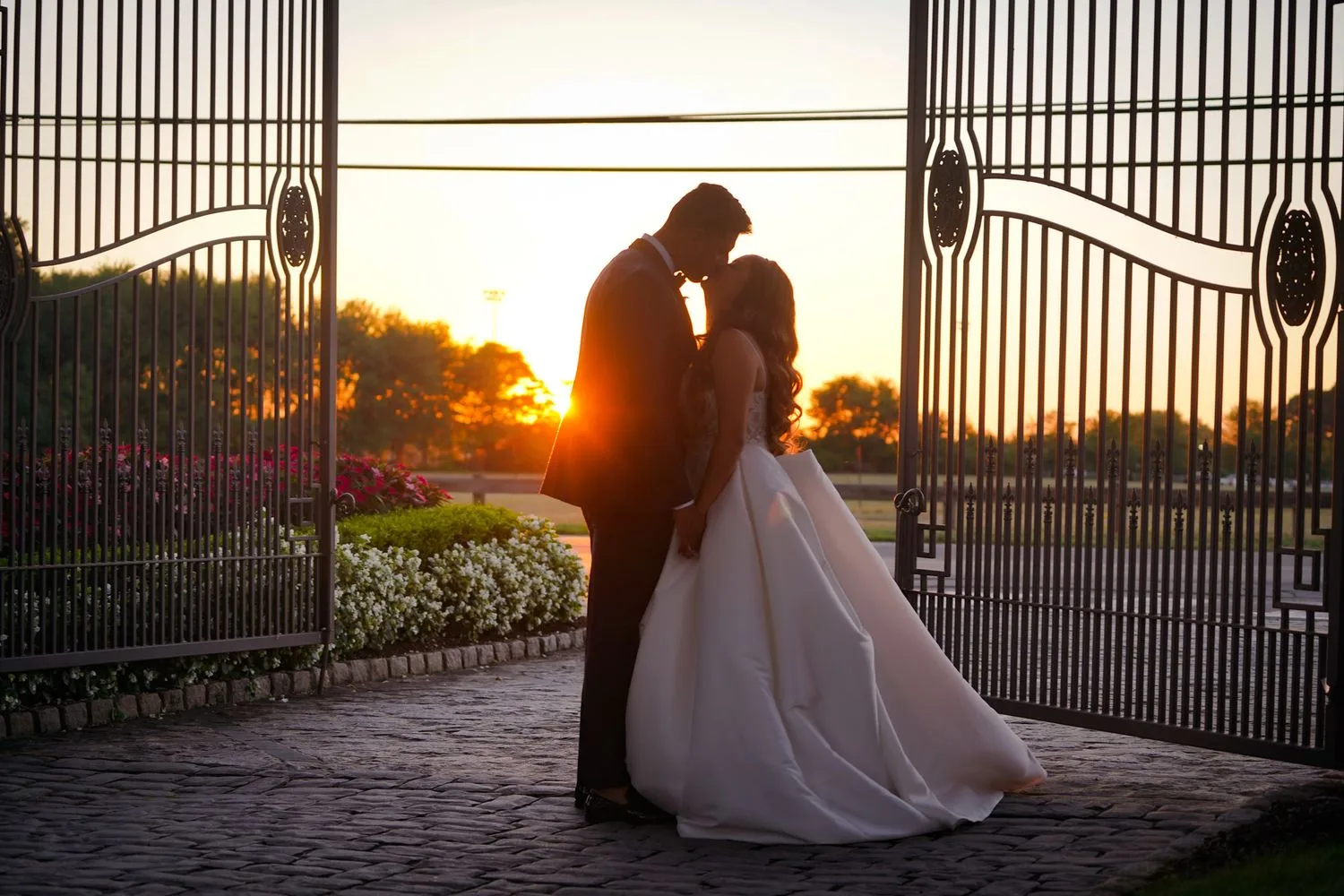
The rooftop terrace is the venue's outdoor showpiece — open sky, city-edge views, and room to breathe. It is also fully exposed. A noon ceremony there is a very different photograph than a late-afternoon one. We check your ceremony and sunset times and plan around three variables: direct sun (harsh overhead light at midday), wind (which affects veils, florals, and hair), and limited shade (few places to retreat for softer portraits). When the timeline allows, we save couple portraits on the terrace for the softer light closer to sunset.
| Location in the venue | Best time of day | Lighting consideration |
|---|---|---|
| Marble entryway | Any hour (interior) | Bright hard bounce; meter for skin and use marble as a reflector, not a hotspot. |
| Color-lit waterfall features | Cocktail hour / evening | Mixed color temperature; light the couple neutrally so background color stays in the background. |
| Rooftop terrace | Late afternoon toward sunset | Full sun exposure and wind; softest portraits come in the last hour of daylight. |
| Bridal suite | Morning / getting ready | Shoot toward the largest window; available light first, subtle fill only if needed. |
| Main ballroom | Reception (evening) | Long throw distances; off-camera lighting rather than a single on-camera flash. |
The bridal suite: window light first
Getting-ready coverage sets the emotional tone of the whole gallery, and the bridal suite is where it happens. We find the largest window and build the space around it — dress and details near the glass, hair-and-makeup finishing turned toward the light. We keep the room tidy in frame and use only subtle fill when the day is overcast. A tight, ordered plan here keeps the morning calm and the images soft.
The main ballroom: lighting for scale
The ballroom is large, and scale changes how you light. When the dance floor is far from where the action peaks, a single on-camera flash falls off before it reaches the far side of the room. We plan off-camera lighting placed around the space so first dances, toasts, and open dancing are lit with depth instead of a flat frontal blast. As with most Bergen County reception rooms, the house lights dim as the night builds — we scout the room before guests arrive so nothing surprises us. When you are ready to talk through your specific day, tell us about your wedding.
Building the timeline around the rooms
The last piece is sequencing: the order you move through these spaces decides whether the light is on your side. We build every couple a room-by-room timeline that accounts for Bergen County travel and the venue's own flow — our county-specific timeline guide explains how we handle Route 4 and Route 17 on the way in. And because North Jersey weather is what it is, we always arrive with a rain plan already scouted for the terrace.
Frequently asked
How do you handle the color-lit waterfalls at The Terrace at Biagio's?
We treat the colored water as a background element and light the couple with a separate neutral source in the foreground. That keeps the waterfall glowing in the frame while skin tones stay natural instead of picking up the LED color cast.
Is the rooftop terrace at Biagio's better for a midday or late-afternoon ceremony?
Late afternoon toward sunset is easier to photograph. The terrace is fully exposed, so midday brings harsh overhead sun and few shade options. When your timeline allows, we save terrace couple portraits for the last soft hour of daylight and plan for wind affecting veils and hair.
Why do you use off-camera lighting in the Biagio's ballroom?
The ballroom's long throw distances mean a single on-camera flash falls off before it reaches the far side of the room. Placing off-camera lights around the space gives first dances, toasts, and dancing depth and even coverage instead of a flat frontal look.
Do you scout The Terrace at Biagio's before our wedding date?
Yes. We walk the marble entryway, waterfall features, rooftop terrace, bridal suite, and ballroom ahead of time and build a lighting plan for each space, so the day itself runs on a prepared plan rather than on-the-spot guesswork.