Documentary vs. Traditional Wedding Photography: Which Style Is Right for You?
The two great schools of wedding photography, what each one feels like to live through, and how to tell which you're actually looking at.
April 8, 2026 · 3 min read
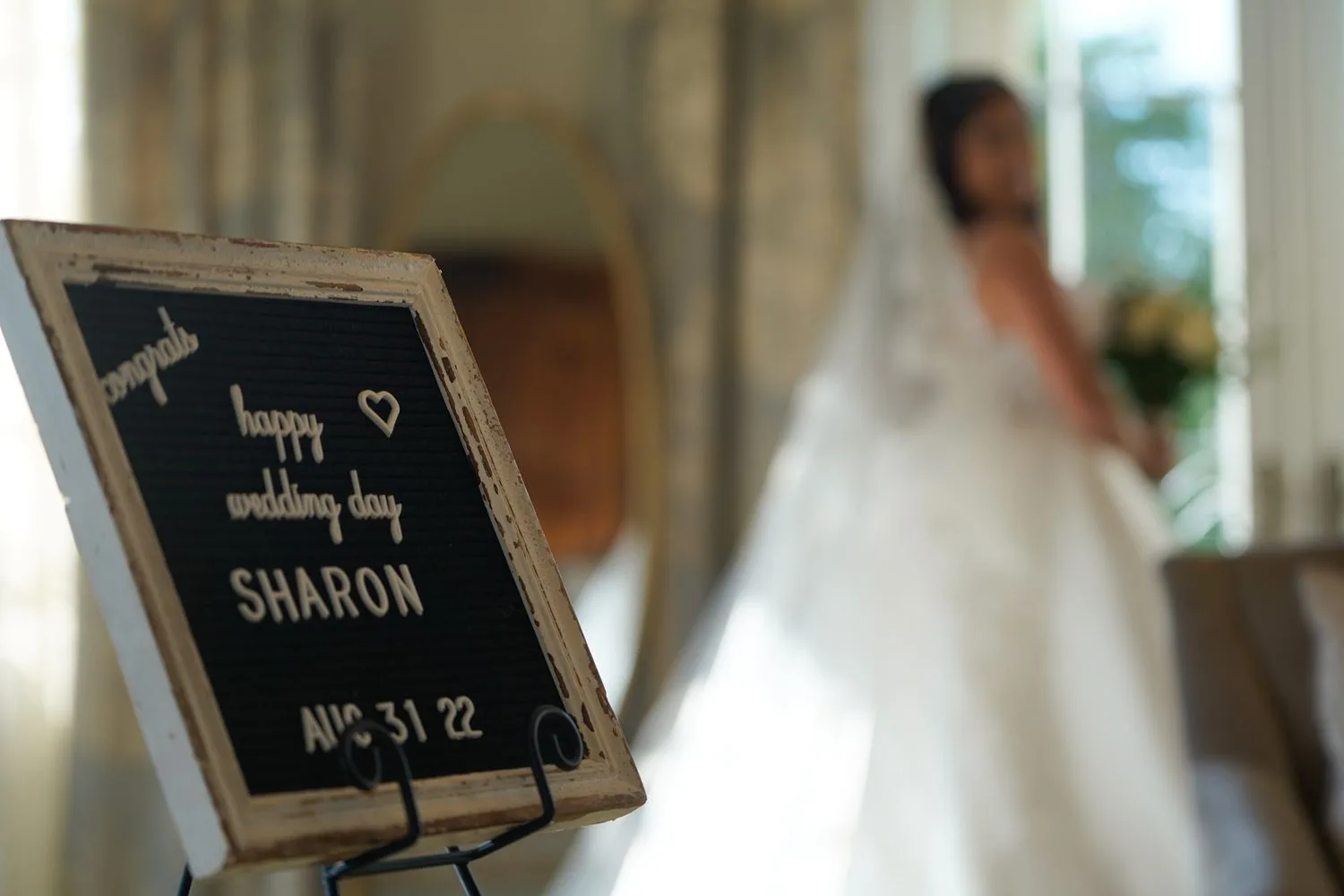
When couples say they want 'natural' photos, they usually mean one thing — but 'natural' means very different things to different photographers. Underneath almost every wedding portfolio are two traditions: documentary and traditional. Knowing which one you're drawn to is the fastest way to shortlist the right photographer, and it's the first step in our guide to choosing a NJ wedding photographer.
What documentary photography is
Documentary — sometimes called photojournalistic — coverage is about capturing the day as it truly unfolds. The photographer works quietly in the background, anticipating moments rather than staging them: a father's face during the vows, a spontaneous burst of laughter at the head table, kids dancing before the floor fills. The goal is honesty and emotion over perfection.
The strength is authenticity — these are the frames that make you feel the day again years later. The trade-off is a degree of unpredictability: you're trusting your photographer's eye and timing rather than a checklist.
What traditional photography is
Traditional coverage prioritizes classic, directed images: the posed family groupings, the elegant couple portraits, the composed shot of the rings and the dress. The photographer leads, arranging people and light for a polished, timeless result.
The strength is reliability — you'll get every 'must-have' portrait, cleanly executed. The trade-off is that heavy posing can eat into the day and, done rigidly, can feel less spontaneous than couples expect.
The hybrid approach most studios use
In practice, most experienced photographers — us included — work in a blend: documentary coverage for the moments, directed portraits for the keepsakes. The candids carry the story; a focused portrait session and a tight family-formal list guarantee the timeless frames. You can see how that balance plays out across our portfolio.
How to tell which style you're really looking at
- ●Ask for full galleries — a highlight reel hides whether the candids hold up.
- ●Count the posed vs. unposed frames. The ratio reveals the photographer's instinct.
- ●Look at the reception coverage — documentary shooters thrive here.
- ●Check the portraits — traditional shooters show consistent, refined posing.
- ●Notice the emotion. Do the images make you feel something, or just admire them?
Don't choose a style by the label — choose it by how you want to feel when you look back.
— Maximus Visions
So which is right for you?
If you tear up at candid emotion and want your day to feel *relived*, lean documentary. If timeless, gallery-wall portraits and complete family coverage matter most, lean traditional. If you want both — which most couples do — look for a photographer who does the blend well and can prove it with a full gallery. Learn more about our studio and how we work.
Once you know your style, the next step is protecting time for it. Map the day with our wedding-day photography timeline, and when you're ready, tell us about your wedding.
Frequently asked
What is documentary wedding photography?
Documentary (photojournalistic) wedding photography captures the day as it naturally happens, with minimal posing. The photographer anticipates real moments — emotion, laughter, spontaneous interactions — rather than staging them.
Is traditional wedding photography outdated?
Not at all. Traditional photography guarantees the timeless posed portraits and complete family groupings many families treasure. Most modern photographers blend it with documentary coverage rather than choosing one exclusively.
Can one photographer do both styles?
Yes — most experienced wedding photographers work in a hybrid style, using documentary coverage for candid moments and directed sessions for portraits and family formals. Ask to see a full gallery to confirm they do both well.