Your Wedding Day Photography Timeline: Planning for Perfect Light
How to build a wedding-day schedule that gives your photographer time to work — and puts your portraits in the best light of the day.
March 10, 2026 · 4 min read
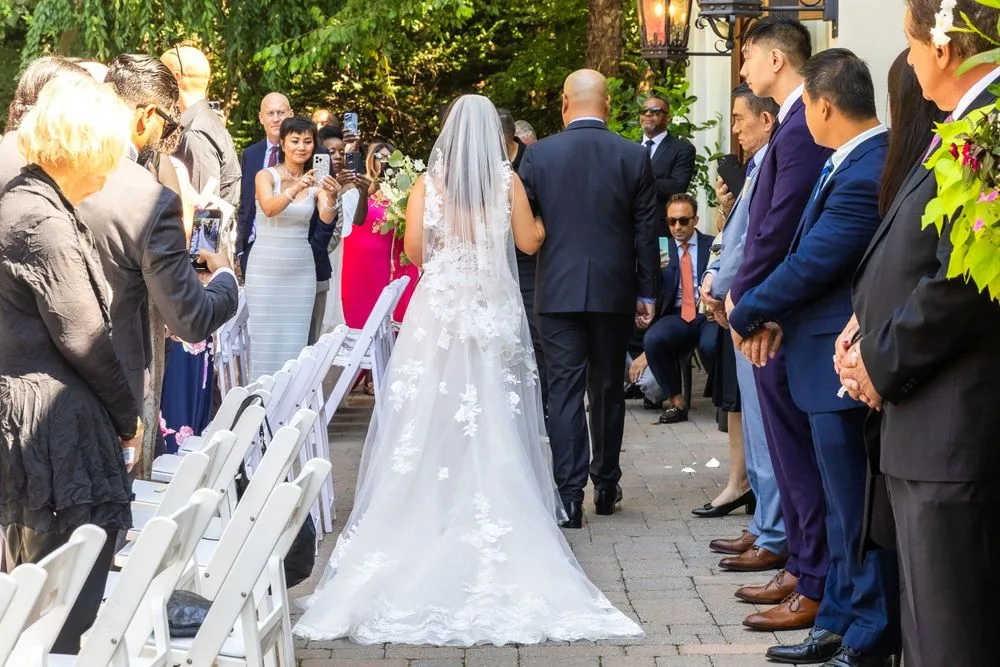
Ask any wedding photographer what separates a relaxed, beautifully photographed day from a stressful one, and the answer is almost always the same: the timeline. Great photos aren't only about talent — they're about giving light and moments room to breathe. Here's how we help couples build a schedule that works, plus a sample template you can adapt. If you're still choosing your team, start with our guide to choosing a NJ wedding photographer.
Start with two fixed points: ceremony and sunset
Everything on a wedding day flows from two anchors — when you say your vows and when the sun goes down. Look up the sunset time for your date, then work backward. This is what lets us protect golden hour, the soft, warm window in the last hour before sunset when couple portraits look their absolute best.
The case for a first look
A first look — a private moment where you see each other before the ceremony — is optional, but it transforms a timeline. It gives you 30–45 minutes of unhurried portrait time while everyone is fresh, gets the nerves out early, and means you can join cocktail hour instead of spending it on photos. Couples who skip it should plan a longer post-ceremony portrait block instead.
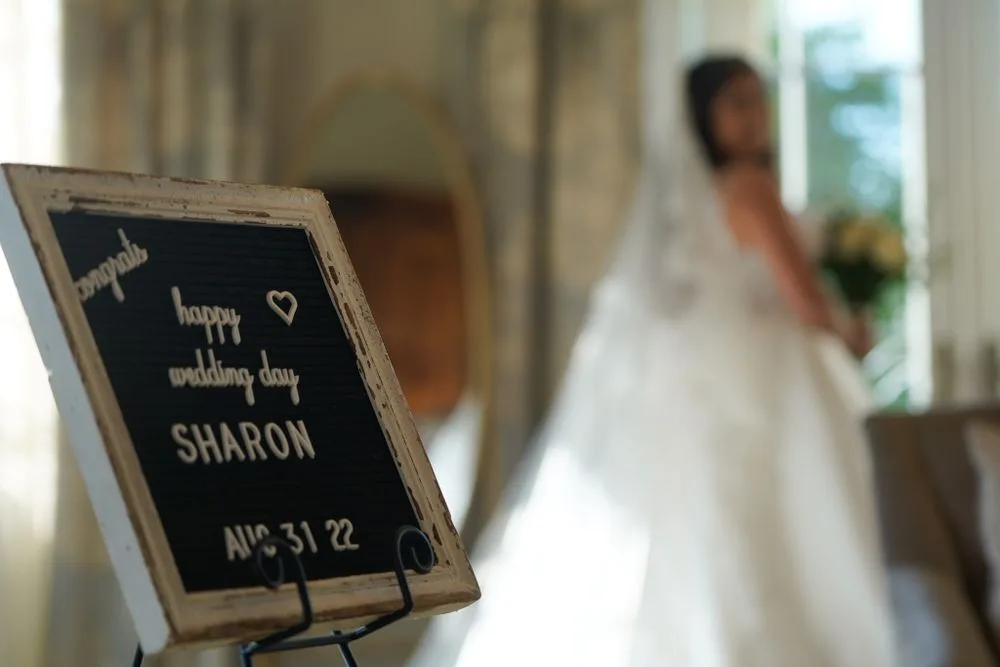
A sample 8-hour timeline
Here's a realistic template for a full NJ wedding with a first look and a late-afternoon ceremony. Shift it to fit your venue and sunset:
- 1.1:00 pm — Coverage begins: details (dress, rings, invitations) and getting ready.
- 2.2:30 pm — First look and couple portraits while the light is soft.
- 3.3:00 pm — Wedding party photos.
- 4.3:45 pm — Tuck away to rest before guests arrive.
- 5.4:30 pm — Ceremony.
- 6.5:00 pm — Family formals (tight, pre-planned list) + cocktail hour candids.
- 7.6:00 pm — Grand entrance and dinner service.
- 8.7:15 pm — Sunset: 15 minutes of golden-hour couple portraits.
- 9.7:45 pm — Toasts, first dance, and open dancing.
- 10.9:00 pm — Coverage ends (or continues for the party and exit).
Build in buffer time
The most common timeline mistake is scheduling every minute. Hair and makeup run long, traffic happens, a boutonnière goes missing. Add a 15-minute buffer between major segments — you'll almost always use it, and the photos are calmer for it.
Keep family formals fast and organized
Family photos are where timelines quietly collapse. The fix is a short, ordered shot list agreed on in advance — group by who's needed so relatives can be called up and released quickly. Ten to twelve combinations covers most families in about twenty minutes.
A timeline isn't about rushing the day — it's about protecting the parts you'll want to relive.
— Maximus Visions
Let your venue shape the plan
Where you're getting married changes the math — a sprawling estate needs more travel time between portraits, an evening ballroom leans on reception coverage. Read your space with our Bergen County venue guide, and decide how directed you want the portraits using documentary vs. traditional wedding photography.
We build a custom timeline with every couple we photograph. When you're ready, tell us about your day and we'll map it out together.
Frequently asked
How many hours of wedding photography coverage do I need?
A full wedding from getting ready through open dancing typically needs 8–10 hours. Intimate ceremonies or elopements can work with 4–6 hours. Build your timeline first, then match coverage to it.
What is golden hour and why does it matter?
Golden hour is the roughly one hour before sunset, when light is soft, warm, and flattering. Reserving 15–20 minutes then for couple portraits produces some of the most beautiful images of the day.
Should we do a first look?
It's a personal choice, but a first look adds 30–45 minutes of relaxed portrait time, calms nerves, and frees you to enjoy cocktail hour. If you'd rather wait for the aisle, plan a longer portrait block after the ceremony instead.